2 Comments

Interview with Sonia Sanchez: Truth to Power

Click link to read full interview on EBONY.com

http://www.ebony.com/entertainment-culture/sonia-sanchez-speaks-truth-to-power-999#axzz303gQy0U3

Sonia Sanchez Speaks Truth to Power, Poetically [INTERVIEW]

The legendary poetic icon speaks on the Black Arts Movement and the ancestor voices of African-American letters

By Penny Dickerson

Related Tags

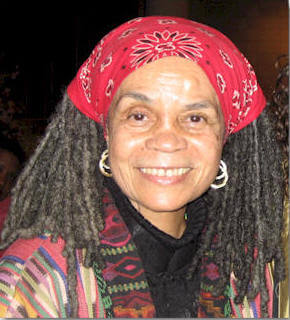
Sonia Sanchez, great voice of the Black Arts Movement and beyond

Consider it a creative insult to limit poetry’s national recognition to the month of April. Nonetheless, I thank the establishment (a.k.a. the Academy of American Poets) for establishing National Poetry Month, as readers politely dust the dirt off poetry titles too often neglected. For sure, every day African-American poets amass work worthy to be    read, studied, praised and adored worldwide.

What better authority than the legendary poet Sonia Sanchez to magnify the art form that pre-dates David’s psalms and continues to emerge through brilliant poetic voices—many of whom owe Sanchez praise for her tutelage?

RELATED: AMIRI AMOUR: BARAKA IN MEMORIUM

A formalist with wide poetic range, Sanchez’s vast body of work includes poems that delve into themes that resonate with those who’ve known isolation’s dance. She is liberation and libations; she is Home Coming and Home Girls & Hand Grenades; she is A Blue Book for a Blue Black Magic Woman and We a BaddDDD People.

The poetic spirit born as Wilsonia Bonita Driver has yet to rest.

She’s still writing and taking West Philadelphian three-mile strolls on a good day. Her open discourse is insatiable and leaves readers savoring her own recall of the 1960s Black Arts Movement, and inclusion in the Broadside Quartet collective (alongside poets and writers Haki R. Madhubuti, Etheridge Knight, Gwendolyn Brooks and, later, Nikki Giovanni).

She is exudes humility to the hilt, yet passionately embodies her indomitable role as activist, womanist, optimist and humanist. The consummate conversationalist talks to EBONY about her creative lifeline: poetry.

If the nuances of poetry render you lost beyond the random hip-hop couplet, Sanchez offers an apt definition of the art form in plain speak:

“To me, poetry is many things,” she begins. “Poetry is life, it is water, it is earth, it is sound, it is music, it is language that allows us to stay alive. Poetry is ancient, it is new, it is old, it is current. Poetry is a baby’s smile when he or she is smiling at you. Poetry is a burp from a child who is well fed. Poetry is a kiss from your lover. Poetry is a handshake from comrades. Poetry is a hug. But most of all, poetry is a language that says, ‘stay alive, do not die on me, do not move away from life.’ Because poetry is life, and it keeps people alive.” Eloquent.

Icons and influential legends of the Black poetic experience are now gone (most recently Amiri Baraka and Gil Scott-Heron). They served as pillars of artistic strength and have transitioned from earthly assignment, but their artistic contributions are eternal. Sanchez expounds on what it means to be a legacy beyond a poem published on a page.

“There are so many who are legends and gone,” she recounts. “Jane Cortez, Amiri Baraka, sculptor Elizabeth Catlett—who was a dear friend—Lucille Clifton, Audre Lorde, June Jordan. We’ve lost so many and have been speaking at so many funerals. But they are not dead, because they helped us change towards changing the world. And there is really no such thing as dead, as long as we do the work we are put on this earth to do and as long as we leave behind a legacy of work.

“It is a legacy that says simply, ‘I am a human being,’ ” she continues, “I must walk upright as a human being, I must make sure that other people learn to walk upright as a human being too. These are all great writers who maintained a certain amount of consciousness about the world, about themselves, and about what it meant to be a woman, what it meant to be a man, what it meant to be Black, what it meant to be a lesbian, what it meant to be gay, what it meant to walk upright on this earth. And what it meant to change the world, what it meant to say, ‘I am’.”

Says Sanchez, “The late, great Amiri Baraka came out of the village, that Beat Movement, up out of Harlem to start the Black Arts Repertory Theater which we all belonged to.”

In the mid-1960s, Baraka sent letters that called upon musicians, actors, poets, playwrights and teachers to come and do the work of social uplift uptown in Harlem. He urged them to “Come help me continue Malcolm’s work.” This era became known amongst them as A.M. (After Malcolm), and influenced the poetic writing of self and soul for Sanchez and others in the Black Arts Movement.

Sanchez recalls those defining times.

“I remember in that place at [Black Arts Repertory Theater], Sunday afternoon at 3:00 p.m., Abbey Lincoln—that gorgeous woman, that genius of a singer with her beautiful, short natural—came and talked about, Who will revere the Black woman?

“It was an amazing moment for all of us Black women who sat there and listened to her talk. And [we] said, ‘I want to be like her, and look like her too.’ That was the joy of doing that kind of work.”

Poet-actor Saul Williams immortalized the hip-hop generation’s slam poetry in 1998’s Slam. Russell Simmons advanced spoken work via HBO’s Def Poetry. And we all love the mid-air finger snappin’ of the modern romance classic Love Jones. But poetry, spoken work or no, is not nouveau, nor has it outgrown its metaphoric roots. Sanchez balances the oral tradition’s truth with both wisdom and a charge.

“From the very beginning, poetry was to be spoken out loud,” she says. “It was very much a part of both community and tradition. At a birth, someone would write a poem; at a death someone would write a poem. There was always music too, and that part is not new.”

Since her earliest days writing about being a little girl, alone and not feeling pretty, Sanchez has since published 16 books of her own, but suggests all poets read the classics.

A lot of my undergraduate students go on to graduate school and say, ‘Langston Hughes is too simple.’ And then I say, very calmly and in as gentle a fashion as I can, ‘No, no, no, no, this not a simple poet.’ I recommend every kind of poet from Langston to Baraka, Lorde, Nikki, June Jordan and Robert Bly. But I also recommend Adrienne Rich to Pablo Naruda to the great Nicolas Guillen, whom I met when I went to Cuba.”

Sanchez says she has notebooks with “more than a million writings never published,” and continues to write in her study with a photo of Guillen, Langston and Ernest Hemingway above her head.

“A poet writes ’til their last breath,” she says with finality.

Penny Dickerson is a Florida-based journalist whose work can be viewed at pennydickersonwrites.com.

Current Issue

1 Comment

Here We Die Again

Miami Times

The death of black men commands justice

Penny Dickerson, Managing Editor

Jun 17, 2020

Atlanta.jpeg

Another black man is dead at the hands of police. In the span of just 20 days, America has seen the trajectory of police brutality travel at light speed cloaked by a global uprising of protest. In Minneapolis, George Floyd, a 46-year-old Houston-native was allegedly murdered on May 25 by white police officer Derek Chauvin. Floyd was peacefully lowered into the earth on June 9.

Just three days later when the public felt safe to breathe, Rayshard Brooks was shot to death in Atlanta by white police officer Garrett Rolfe. The 27-year-old’s death literally ignited a fast-food fire when two of three bullets shot, were pumped into Brook’s back. He was intoxicated and during his encounter with police, resisted being handcuffed and fled the scene of a pending arrest. In the unfortunate company of Floyd, Brooks is now dead. Black men dying at the hands of police occurs again and again while the narrative grows tirelessly familiar. The common denominator is the unreasonable outcome of nonviolent crimes like ‘sleeping while drunk’ or ‘passing a counterfeit bill.’

In the aftermath, law enforcement officers are terminated. Less than swift, they are charged with homicide. A Black community that is moreover systemically shortchanged by racism awaits justice, and this Father’s Day, children Brooks and Floyd claimed their own have been robbed of an opportunity to extend one Hallmark card.

How does a birthday party for an eight-year-old daughter end with bullets lodged in a black man’s back followed by a call to abstain from pursuing violent protests?

“Not only are we hurt, we are angry,” Chassidy Evans, Brooks’ niece told Associated Press reporters. “…We’re not only pleading for justice. We’re pleading for change.”

In the following Associated Press special report by Lisa Marie Pane, questions linger. What Happened?: Could the police shooting in Atlanta have been prevented? It’s being hotly debated by law enforcement experts and others. The main question: Could officers have done something to avoid using deadly force? Could they have let him walk home rather than arrest him?

Atlanta Mayor Keisha Lance Bottoms announced Monday, June 15 that she was ordering changes to police use-of-force policies, including requiring that officers receive continuous training in how to deescalate situations and use those techniques before taking action that could be fatal. She said she also was requiring officers to intervene if they see a colleague using excessive force.

The mayor said that after Brooks’ shooting, it was clear Atlanta did not have “another day, another minute, another hour to waste” in changing police practices.

Other cities nationwide are taking similar steps, and packages of police reforms have been proposed or are emerging in Congress.

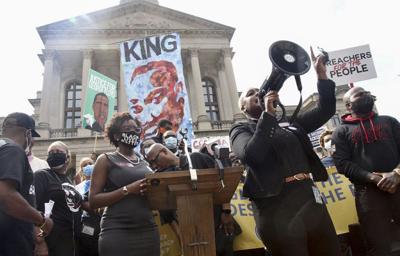
About 20 of Brooks’ children, siblings, cousins and other family members sobbed at a news conference as over 1,000 people gathered not far away at an NAACP-led protest outside the Georgia Capitol.

A family’s despair

Police were called to a Wendy’s restaurant over complaints of a car blocking the drive-thru lane. An officer found Brooks asleep in the car.

Police video showed Brooks cooperating with the officers for more than 40 minutes until a breath test determined his blood-alcohol level was over the legal limit. When one of the officers moved to handcuff him, Brooks tried to run and the officers took him to the ground.

Brooks broke free and took off with a stun gun but was shot. Rolfe told authorities that Brooks fired the stun gun at him.

Asked why Brooks ran, family attorney L. Chris Stewart suggested that he may have feared for his life.

“They put George Floyd in handcuffs and he was subsequently killed,” Stewart said. “So just getting put in handcuffs if you’re African American doesn’t mean, oh, you’re going to get nicely taken to the back of a police car.”

Evans said there was no reason for her uncle “to be shot and killed like trash in the street for falling asleep in a drive-thru.”

“Rayshard has a family who loves him who would have gladly come and got him so he would be here with us today,” she said.

Relatives described Brooks as a loving father of three daughters and a stepson who had a bright smile and a big heart and loved to dance. His oldest daughter learned her father was slain while celebrating her eighth birthday with cupcakes and friends, wearing a special dress as she waited for Brooks to take her skating, said Justin Miller, an attorney for the family.

“There’s no justice that can ever make me feel happy about what’s been done,” said Tomika Miller, Brooks’ widow. “I can never get my husband back. … I can never tell my daughter he’s coming to take you skating or for swimming lessons.”

She asked those demonstrating to “keep the protesting peaceful,” saying: “We want to keep his name positive and great.”

Reform amid GOP push-back

Several Democratic lawmakers joined protesters and called for Georgia to pass reforms including the repeal of the state’s citizen’s arrest and stand-your-ground laws.

While some Republican leaders pushed back against swift action on some proposals, GOP House Speaker David Ralston endorsed rapid passage of a hate-crimes law, telling lawmakers that failure to act would be “a stain on this state we can never wash away.”

Morgan Dudley, 18, skipped work to join the demonstration after her job kept her from joining protests following Floyd’s death three weeks ago.

“I was like, ‘You know what? This is not a trend. This is an actual problem that we’re facing,’” said Dudley, who is black.

Nationwide response – New York to Alburquerque

Officials nationwide are responding to calls for reform while protests persist. The New York City Police Department is disbanding the type of plainclothes anti-crime units that were involved in the 2014 chokehold death of Eric Garner and have long been criticized for aggressive tactics, Commissioner Dermot Shea said Monday.

In Chicago, Mayor Lori Lightfoot said a panel of residents, activists and one police official will review the Police Department’s policy on when officers can use force. Albuquerque, New Mexico, Mayor Tim Keller said he wants a new department of social workers and civilian professionals to provide another option when someone calls 911.

And New Jersey’s attorney general ordered police to begin divulging names of officers who commit serious disciplinary violations.

In Congress, Republicans are on the brink of introducing a bill with restrictions on police chokeholds and other practices, while a Democratic proposal would limit legal protections for police, create a national database of excessive-force encounters and ban chokeholds. The White House will announce its own executive actions Tuesday.

As mentioned, in the Atlanta shooting, ex-officer Rolfe, who fired the shots that killed Brooks, was fired, and another officer at the scene, Devin Brosnan, was put on desk duty. Police Chief Erika Shields resigned.

Police released the officers’ disciplinary histories, which showed Rolfe received a written reprimand in 2017 for use of force with a firearm but provided no other details. Rolfe, who was hired in October 2013, also got a written reprimand in 2018 and an oral admonishment in 2014, both for vehicle crashes. A firearm discharge case from 2015 listed no conclusion.

Brosnan was hired last June and had no disciplinary history.

Fulton County District Attorney Paul Howard said he hopes to decide by midweek whether to charge the officers. The Georgia Bureau of Investigation took over the investigation.

Associated Press contributed to this report.

Managing Editor

Penny Dickerson is a journalist joining The Miami Times following an Africa sojourn and 10-year freelance career in newspaper and magazine. She earned her MFA in creative writing from Lesley University, and B.A. in Journalism from Temple University.

Leave a comment

Goodnight Gentle Giant –

George Floyd is laid to rest amid criminal justice reform

Penny Dickerson, Managing Editor

 Updated 

A Black man’s body is laid to rest in a casket. Four ex-police officers are in custody. Protestors world-wide have been subjected to curfews and a voluminous call for ‘change’ persists. The alliterative aftermath of George Floyd’s death on May 25 has altered the humanitarian fabric that monitors everyone’s pulse. Floyd’s last breath also tempered racial conflicts that have heightened since Dr. Martin Luther King, Jr. first dreamed.

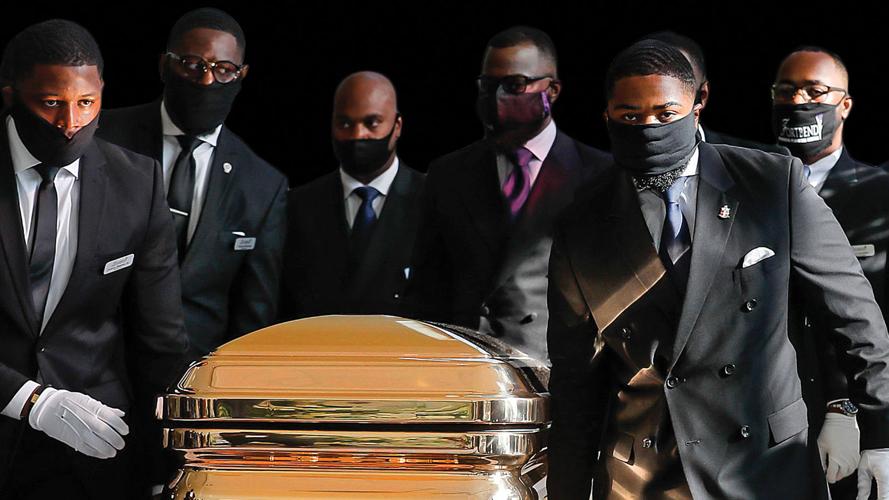
Floyd’s funeral was held Tuesday in a private service in Houston, where he was raised. His final burial was in Houston Memorial Gardens cemetery in suburban Pearland next to his mother — Larcenia Floyd — who brought her 6’4” ‘gentle giant’ into the world and served as his final outcry for help before he took his last breath.

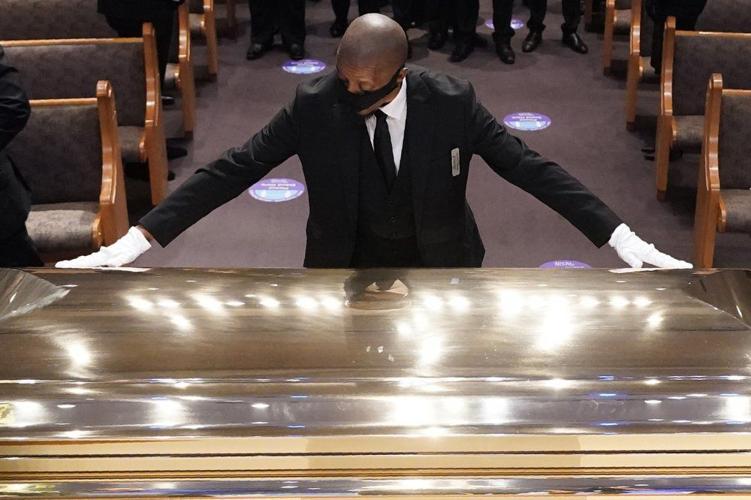
His coffin was gold, a brown suit was fitted to clothe his lean frame and a mural hung on a stage behind the casket that depicted the Christian street evangelist wearing a black cap against a backdrop of white angel wings. The symbolic homegoing was described as being dignified and attended by statesmen, celebrities and civil rights leaders.

Heartfelt memorials

Rev. Al Sharpton, the founder of the National Action Network, delivered a eulogy to honor Floyd’s life at North Central University in Minneapolis on Thursday, June 4 for the first in a series of memorial services honoring Floyd. “We must turn this moment into a movement,” Sharpton told reporters on Wednesday, June 3 and described Floyd as a “linchpin” for police accountability.

Since the 46-year-old died while in police custody in Minneapolis, Floyd’s relatives have been part of massive protests in Texas. His children heard crowds far way from home chant their father’s name. His brother led a prayer vigil at the site of Floyd’s death. Minnesota Gov. Tim Walz said Thursday’s memorial would be a chance for everyone to heal.

Floyd’s family was joined by civil rights leader Rev. Jesse Jackson, Democratic Minnesota Rep. Ilhan Omar, Martin Luther King III and actor Kevin Hart. Shortly before the memorial began, Minneapolis Mayor Jacob Frey approached the casket and broke down, crying.

Star athlete and family man

Floyd was born in North Carolina but called Houston home because he moved there at a young age with his family. He grew up in the city’s Third Ward — a historically black neighborhood — and it was there where he played basketball, went to church and met many friends, including the mother of his 6-year-old daughter and former NBA player Stephen Jackson.

“He didn’t abuse our friendship, he cherished it,” Jackson told CNN. “Floyd was one person I knew that was supporting me genuinely.”

As a teenager, Floyd was known as a star athlete. He was a tight end on the football team and played basketball at Jack Yates High School.

“Mr. Floyd was a ’93 Yates graduate, an amazing athlete, and a dear friend to many,” Tiffany Guillory, the school’s principal tweeted last week.

He left home for a few years to play basketball at South Florida State College in Avon Park, Florida, the team’s head basketball coach George Walker told CNN.

“He didn’t give me too much trouble as a basketball coach,” Walker said. “He was a pretty good athlete, averaged 12 to 14 points a game.”

Floyd moved to Minneapolis several years ago looking for a better life. He worked as a truck driver and more recently as a bouncer at a club.

He wanted to be a better father, Jackson said, and would often talk about taking care of his daughters.

four ex-police officers – charged

The four Minneapolis police officers who were on the scene of Floyd’s arrest have been fired. The Miami Times reported June 3 that new charges were filed against the officers who are all in jail. Derek Chauvin, who knelt on Floyd’s neck for 8 minutes and 46 seconds was charged with third-degree murder and second-degree manslaughter last week, and authorities added a charge of second-degree murder. The other ex-officers — J. Alexander Kueng, Thomas Lane and Tou Thao — face charges of aiding and abetting second-degree murder and aiding and abetting second-degree manslaughter. If convicted, all officers could spend up to 40 years in prison.

$1 million bail

When Chauvin made his first court appearance Monday, June 8, he didn’t enter a plea. According to the Associated Press, in Minnesota, that legal action comes later in due process. A judge kept bail at $1 million for the 44-year-old alleged murderer who reportedly appeared on closed-circuit television from the state’s maximum security prison in Oak Park Heights wearing handcuffs and a mask. He offered the court few words beyond routine questions that confirmed the spelling of his name and address.

Chauvin’s bail was raised from $500,000 to $1 million when a second-degree murder charge was added Wednesday, June 3. Monday’s hearing was a chance for arguments over the higher bail, and Prosecutor Matthew Frank argued for keeping the higher bail, saying the seriousness of the charges and the “strong reaction in the community, to put it mildly,” made Chauvin a flight risk. The judge agreed with the state’s request for $1.25 million unconditional bail, or $1 million with standard conditions including surrendering firearms, remaining law-abiding and making all future court appearances.

Catalyst for change

The Minneapolis City Council has vowed to dismantle the city’s 800-member police agency. And in Washington, House and Senate Democrats held a moment of silence at the Capitol’s Emancipation Hall before proposing legislative changes in policing oversight, reading Floyd’s name and those of others killed during police interactions and kneeling for 8 minutes and 46 seconds — now a symbol of police brutality.

Besides banning police chokeholds, the Justice in Policing Act would limit legal protections for police and create a national database of excessive-force incidents, according to an early draft.

Meanwhile, officials nationwide are already taking steps to outlaw chokeholds: California Gov. Gavin Newsom ordered the state’s police training program to stop teaching them and Denver police announced Sunday they were banning them, effective immediately. In New York, the state Senate and Assembly passed legislation that bans police chokeholds, guarantees the right to record police activity and collects more data on deaths in custody.

AP News and CNN.com contributed to this report 

Managing Editor

Penny Dickerson is a journalist joining The Miami Times following an Africa sojourn and 10-year freelance career in newspaper and magazine. She earned her MFA in creative writing from Lesley University, and BA in Journalism from Temple University.

1 Comment

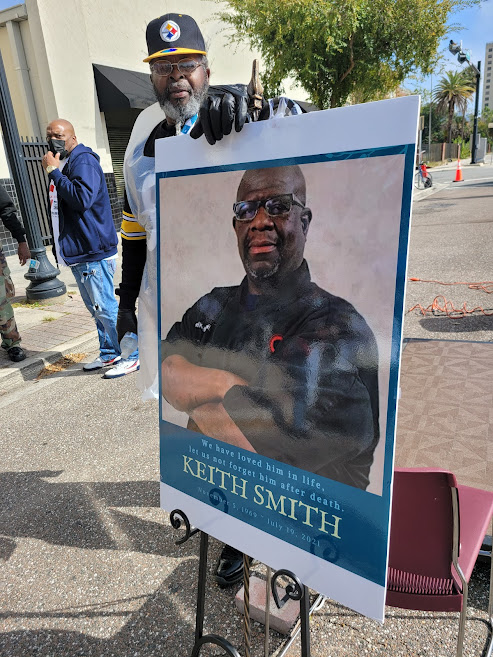
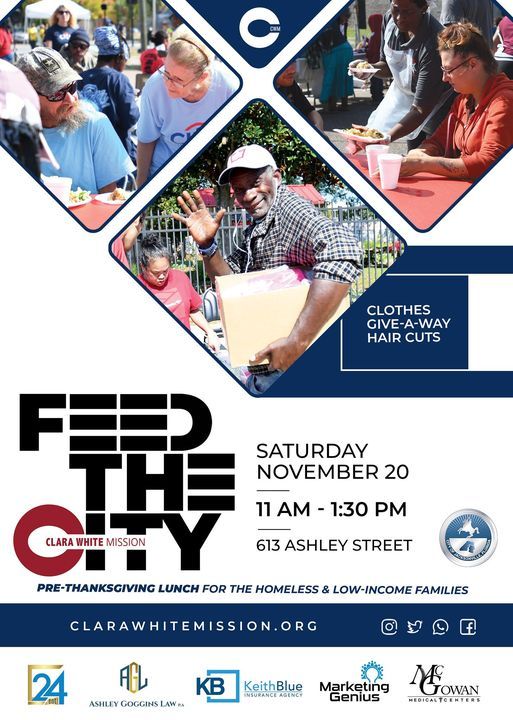
Clara White Mission “Feed the City” 2021

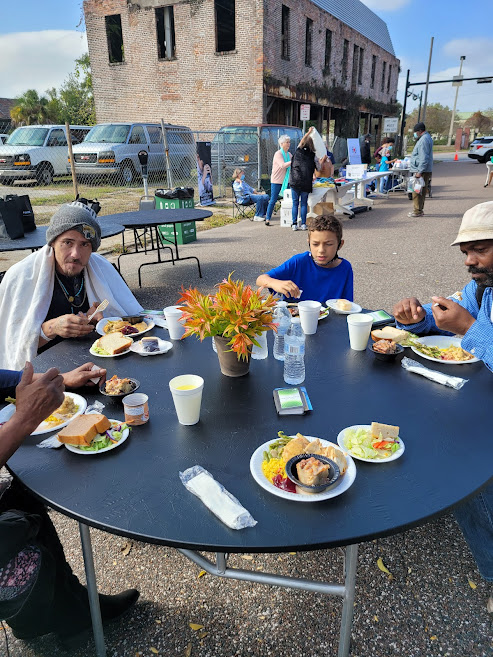
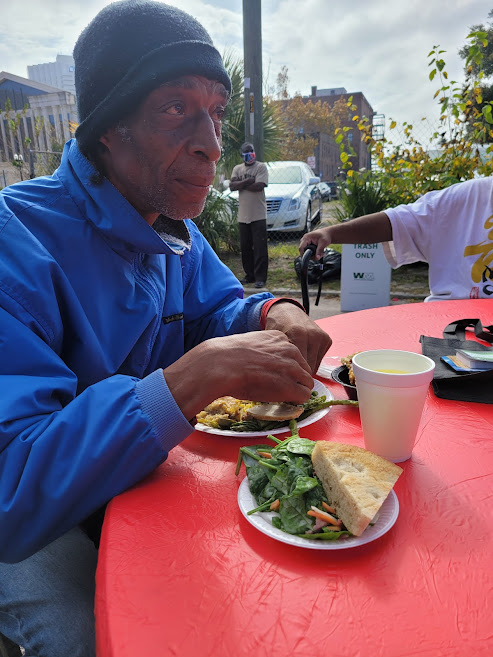
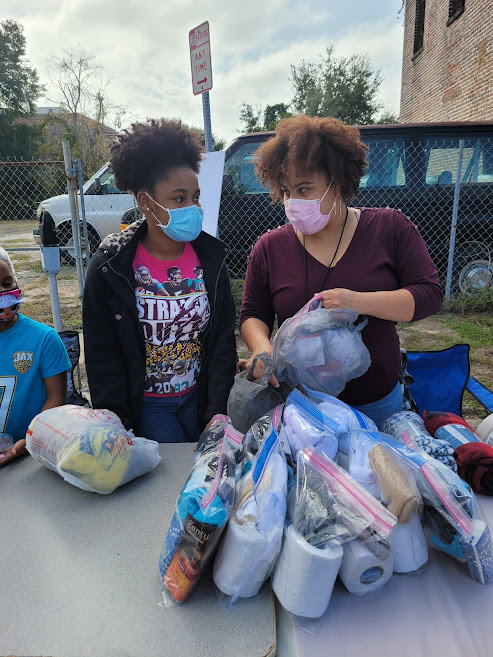
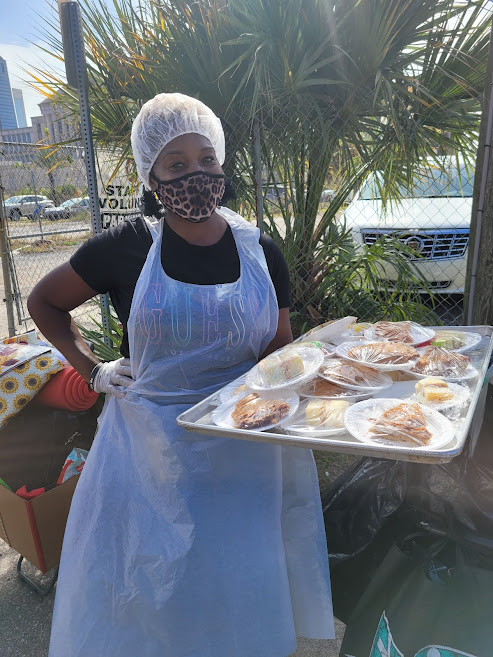
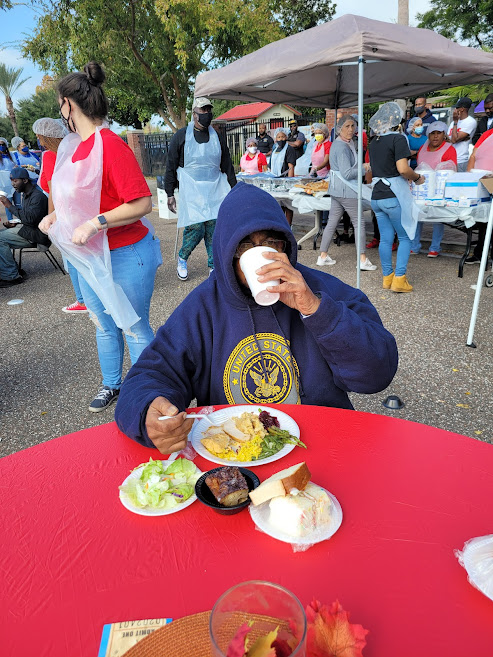
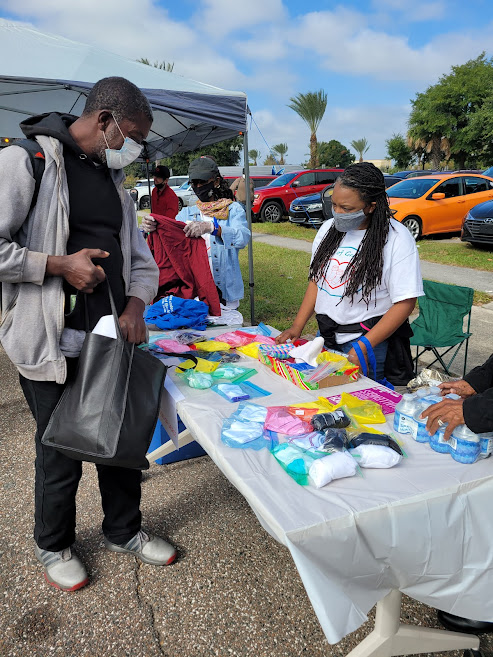
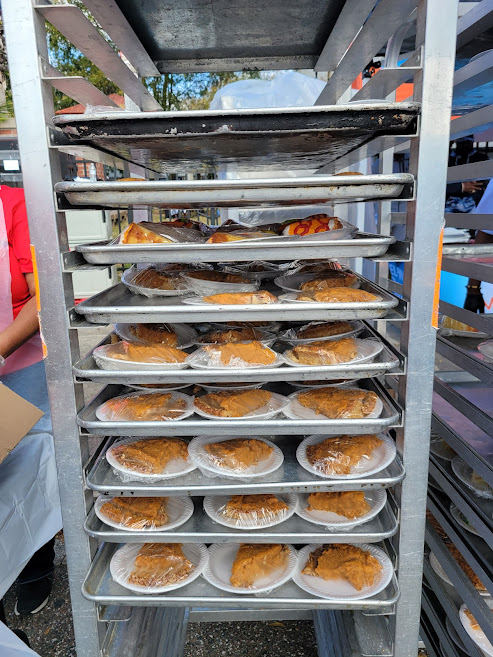
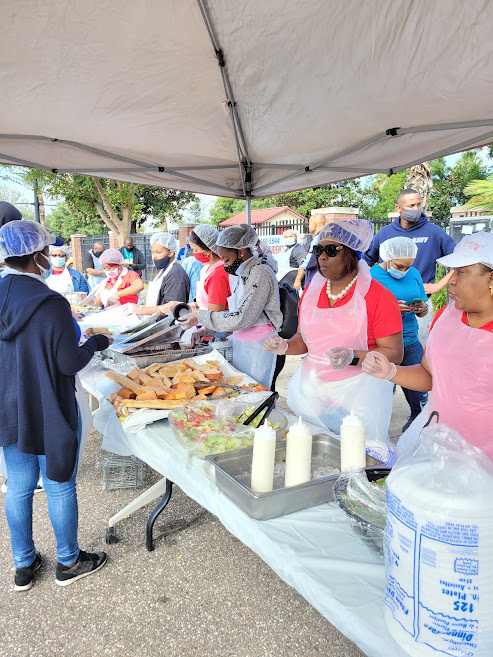
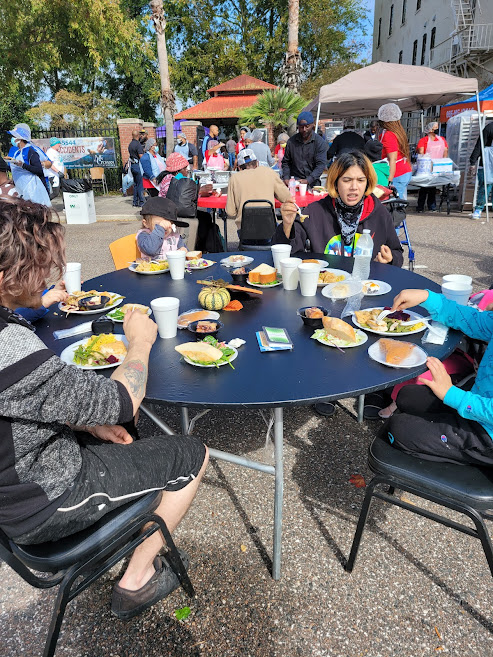
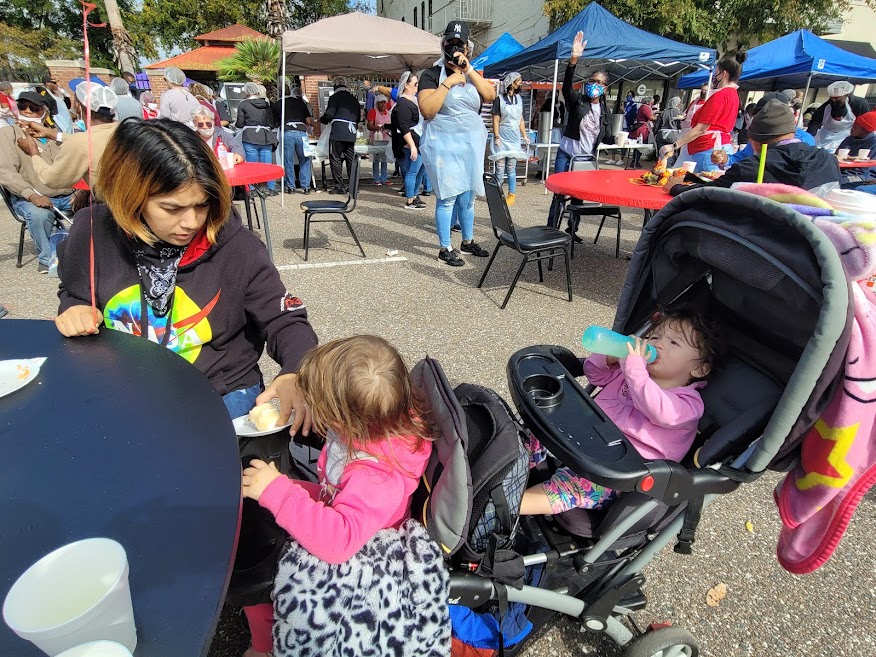
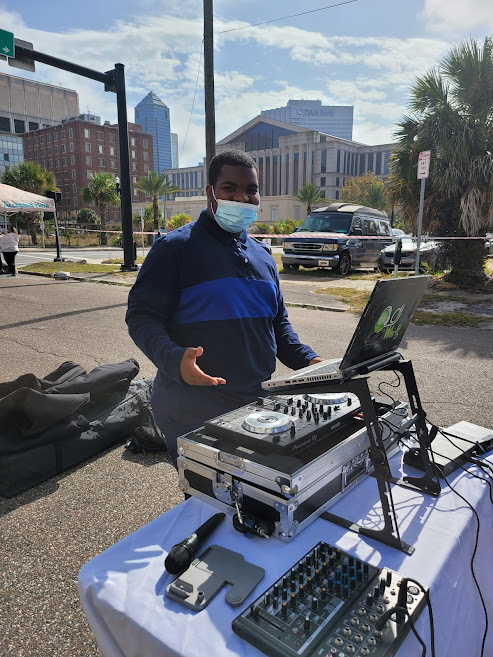
The Clara White Mission’s 26th Annual “Feed the City” pre-Thanksgiving luncheon was held November 20, 2021 and proved to be a successful and festive community event that aligned with the non-profit organization’s programmatic measures to address the needs of Jacksonville’s vulnerable populations.

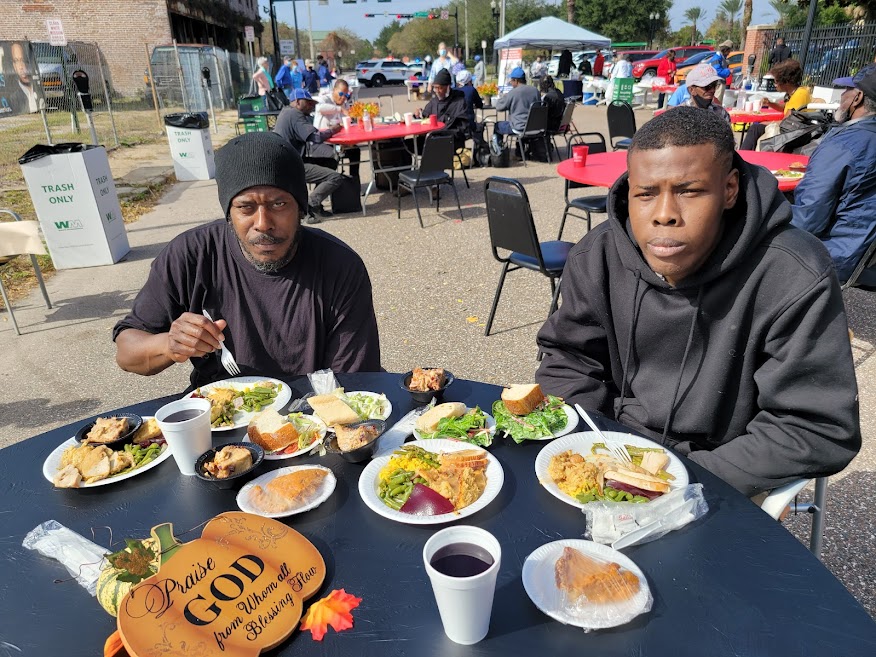
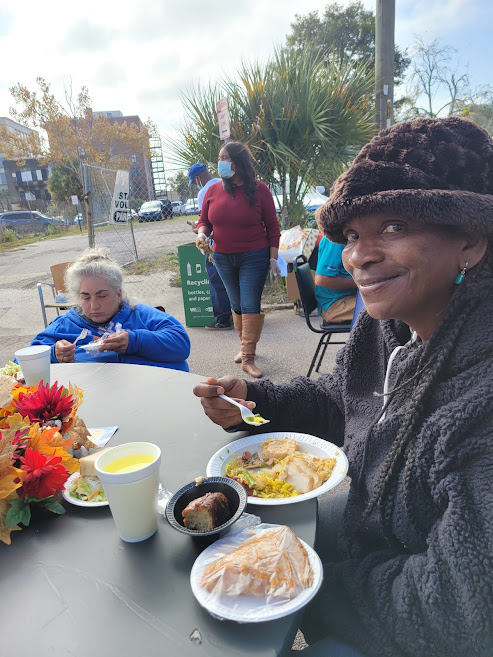
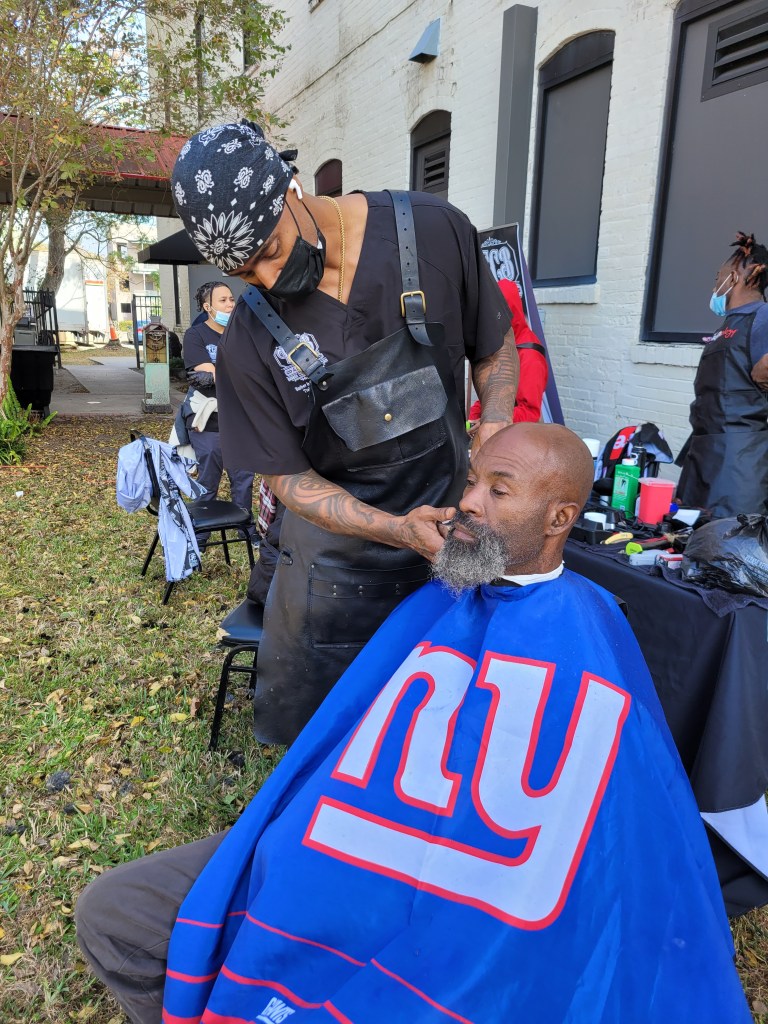
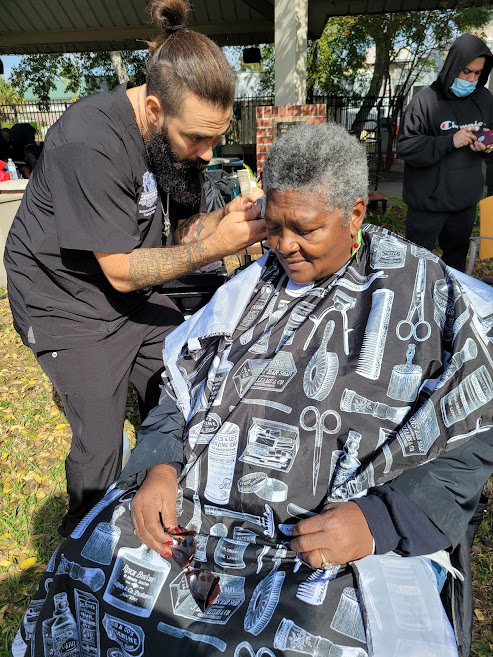
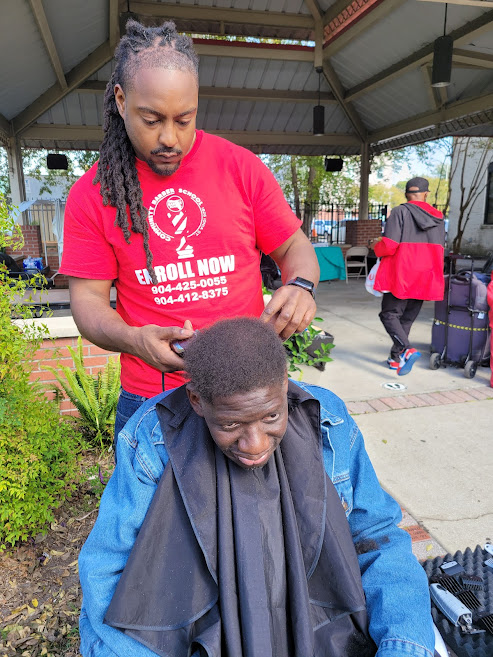
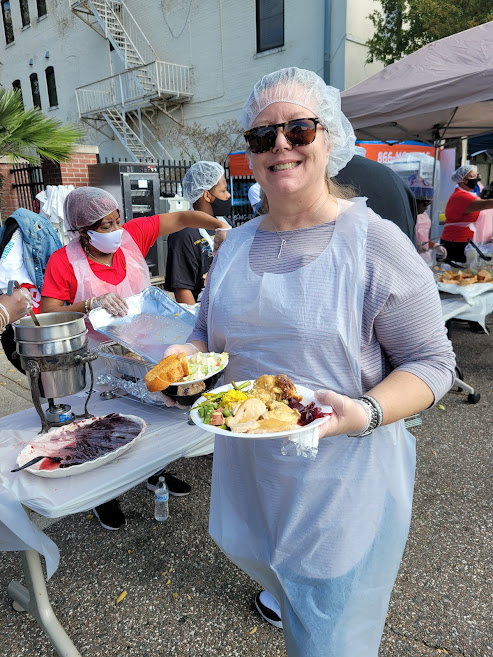
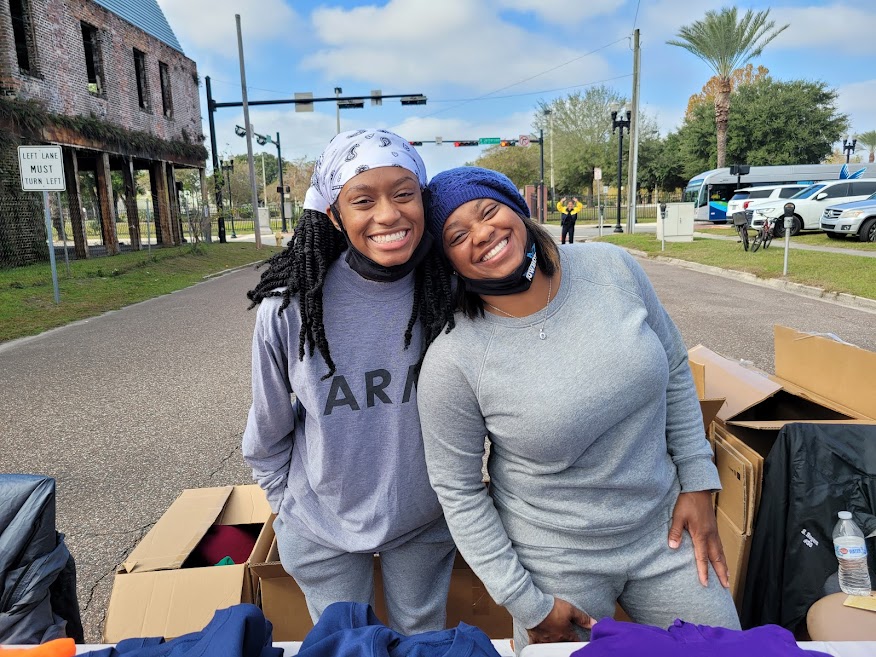
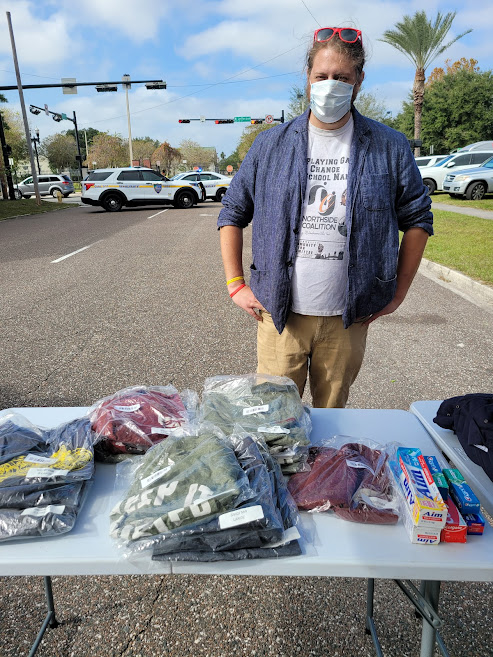
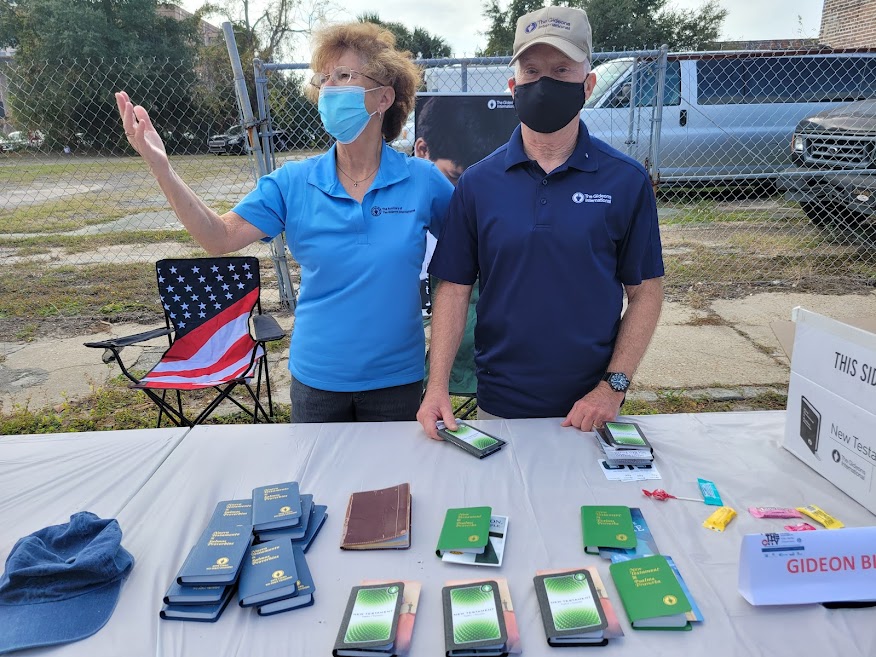
Low-income and homeless citizens throughout the Jacksonville community from diverse racial and ethnic backgrounds spent an afternoon enjoying an outdoor dining experience. More than 75 volunteers served meals to 400 in need and offered free merchandise that ran the gamut of toiletry packets to bibles and clothing items. First Coast Barber Academy was on hand to offer free hair cuts, an act of service that allowed many clients to experience dignity and a strong sense of self-pride.

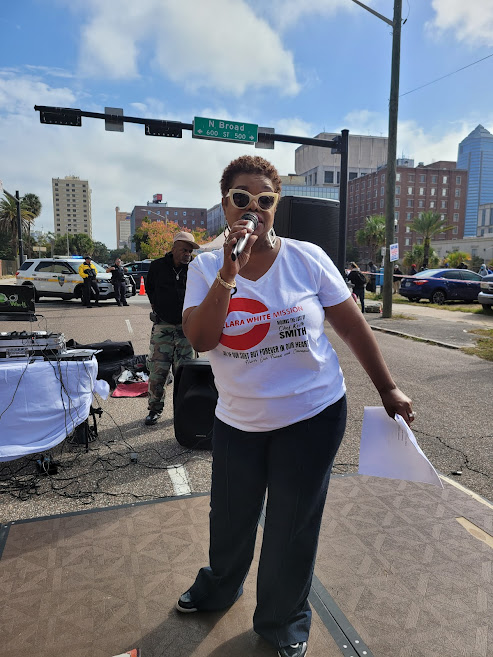
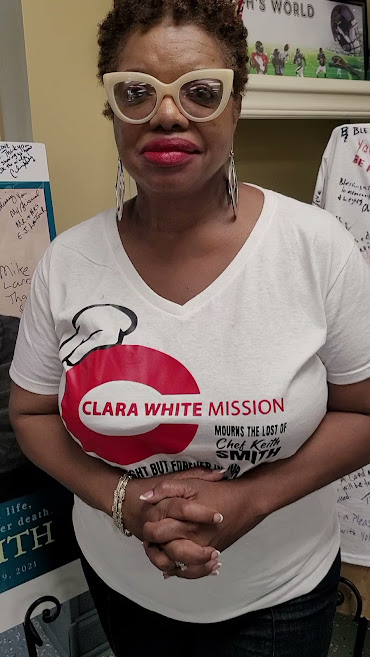
Clara White Mission President & CEO, Ju’Coby Pittman
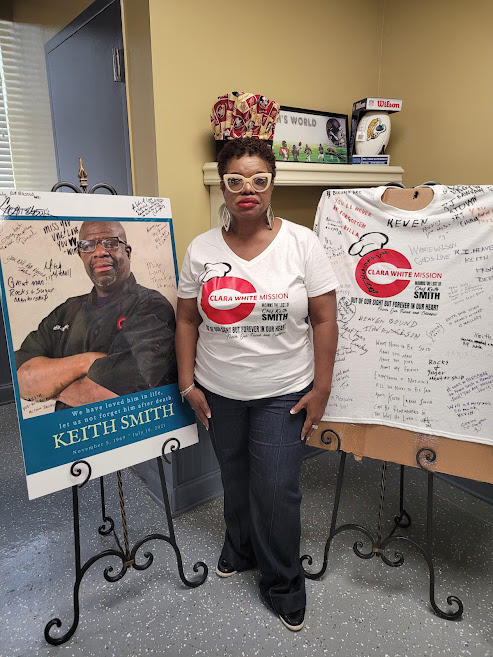
honored the late Chef Keith Smith for his dedication and service.

“I am proud of the Clara White Mission’s continued ability to provide a special meal for our client’s year-a-round but especially during the month of November when gratefulness and thanks are at a height,” said Ju’Coby Pittman, President/CEO of the Clara White Mission.

“This is a time when relatives and friends gather together, and we want everyone to feel like they are a valued part of the Clara White Mission family and Jacksonville community,” added Pittman.Clara White Mission Logo

On November 8, 2021, the Clara White Mission honored the 145th birthday of its founder Dr. Eartha M.M. White. As the organization celebrates its 119th year of service, “Feed the City” is one of many events that would make Dr. White beam with pride.

FTC Client 4

Amid breezy wind and a bright sun, music and entertainment added the perfect ambiance to “Feed the City” which ushers in December and a need for more services to assist clients throughout the holiday season. The Clara White Mission seeks to recognize vulnerable populations throughout the year and beyond.

Solicitations from the faith-based community, businesses and civic organizations are requested to help support a food drive. The general public is encouraged to please drop off non-perishable food donations at the Clara White Mission during a drive that began Monday, November 22nd and will continue through Tuesday, December 22, 2021. Pittman and the staff of the Clara White Mission thanks you in advance for your support.

Penny Dickerson 2021

Leave a comment

Miami-Dade County sounds-off against racism and police brutality

Penny Dickerson

 Updated 

Miami Times

BLM
Photo by Gregory Reed

The senseless death of George Floyd on May 25 marks the latest national case of a Black man left dead following a botched arrest by America’s white police force. Derek Chauvin, a white officer, forcibly held his knee to Floyd’s neck during an arrest in Minneapolis that has become an eight minute and 46 second video a bystander captured and has since been seen around the world. Floyd begged for help while three white policemen stood witness and ignored his ubiquitous wail, “I can’t breathe.” His last encounter with humanity was being held face-down on asphalt in the streets he once called home. Floyd was later pronounced dead at a Minneapolis hospital.

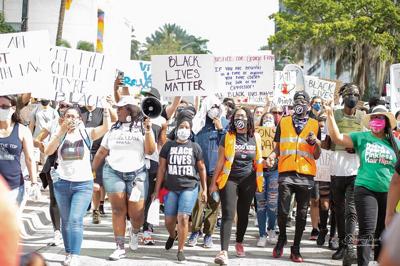
From as far away as Brussels and Iran to Chicago and Miami, city streets flooded with signage encouraging swift justice. Widespread protests were ventured with good intent to honor Floyd and as a responsive outcry to end systemic racism and a slow refrain of justice lodged against the Black community. However, many protests turned into fiery antics. Cars and some residences were burned. Small and corporate businesses that were severely challenged by the COVID-19 pandemic closures were now looted and innocent lives were lost.

National Guard troops were enlisted to temper peace and elected officials executed curfews. What remains is still a far cry from justice. What has emerged is a voluminous populace of voices citing history and demanding change. Physical remnants include both profane and reverent graffiti hashtags reading #justiceforgeorge, #blacklivesmatter and #stoppolicebrutality. Smoldering ashes are left in cities that had just entered reopening phases following two, long months that forced the entire nation into a mandated lockdown.

The four Minneapolis police officers were all immediately fired from the department’s force. Chauvin was finally arrested Friday, May 29 and charged with third-degree murder and second-degree manslaughter. The 44-year-old ex-officer roamed the earth free — for four days — while Floyd’s lifeless body lay on a steel slate in the Hennepin County Medical Examiner’s office.

According to the Associated Press, the agency announced in a June release the cause of death as “cardiopulmonary arrest complicating law enforcement subdual, restraint and neck compression.”

The family of Floyd grieves while the world mourns a criminal justice embarrassment that prompted Floyd’s family to commission its own autopsy that stated that their relative met his untimely demise from “asphyxiation due to neck and back compression.”

Florida-based attorney Benjamin Crump represents clients in some of the most important and contentious wrongful death and civil rights cases. Crump gained prominence for his role in the Trayvon Martin case and is now Floyd’s family attorney. Crump has called not only for Chauvin’s charge to be upgraded to first-degree murder, but that the remaining three officers be charged as well.

In a stroke of irony, the same forensic pathologist examined Eric Garner’s body. Garner died in 2014 by choke-hold at the hands of a white, NYPD police officer. His death ignited the Black Lives Matter movement and first established the “I can’t breathe” phrase. That forensic pathologist  found the compression cut off blood to Floyd’s brain, and that the pressure of other officers’ knees on his back made it impossible for him to breathe, Crump told the Associated Press.

Controversy toward justice now looms regarding Floyd’s death as the medical examiner, experts hired by Floyd’s family and preliminary findings all differ. What is definitively the same is that once again in America, an unarmed, handcuffed Black man is dead. This finite state of being has galvanized the world at a much needed time but under the worst of circumstances.

Minnesota Attorney General Keith Ellison, a Black man, has taken over the prosecution of Chauvin.

“It is with a large degree of humility and great seriousness, I accept for my office the responsibility for leadership in this critical case involving the killing of George Floyd,” said Ellison in a June 1 interview with NNPA correspondent Stacey M. Brown.

Ellison is a former congressman from Minnesota who ran for chair of the Democratic National Committee in 2017. Ellison’s appointment reportedly followed a telephone meeting between rapper, businessman and civil rights activist JAY-Z and Minnesota Governor Tim Walz.

The Minneapolis police union reportedly submitted a letter to members stating that the officers were fired without due process and labor attorneys are fighting to reinstate their jobs.

Managing Editor

Penny Dickerson is a journalist joining The Miami Times following an Africa sojourn and 10-year freelance career in newspaper and magazine. She earned her Master of Fine Arts in creative writing from Lesley University, and Bachelor of Arts in Journalism from Temple University.

Leave a comment

A Felon’s “Fair Chance”

Daytona Times

A felon’s fair chance

Filed under DAYTONA BEACH, LEAD STORIES, NEWS 

A Daytona Beach resident tells of his plight for gainful employment and the impact the city’s new ‘Ban the Box’ policy will have on others looking for work.

BY PENNY DICKERSON
DAYTONA TIMES

The sun, sand and surf brought convicted felon Edward W. Barnes to Daytona Beach 20 years ago and he now calls Volusia County home. A native of Memphis, Tenn., he has served three separate sentences in the Florida Department of Corrections – all for burglary charges – connected to a crack cocaine addiction that plagued his adult life for more than a decade.

He paid his debt to society, said he has been successfully rehabilitated from substance abuse and helped champion the Fair Chance/Ban the Box policy passed July 1 by the  City of Daytona Beach. But for Barnes, the new policy that eliminates applicant requirements to disclose criminal backgrounds during the preliminary phase of job applications is bittersweet. Continue Reading »